Grandma’s pancakes

My grandmother cooked pancakes
on a large round griddle

with a spatula that had come through
many meals before

so many hours I spent at her side
begging to flip the pancakes

a large brown ceramic bowl
cold to the touch

stiff peaks of beaten egg whites
folded in carefully

Grandma’s secret weapon
against boring breakfasts

a glimpse into days gone by
only the womenfolk cooked breakfast

only the menfolk got away with
not cooking or cleaning up

these were the years before this budding feminist
shouted it’s not fair to whoever would hear

A Body and Grief

frayed
afraid
awakening in the wee hours
to commune with wisdom
do we value and teach
connection to grief?
grief is pathologized

make grief a verb
see it as process
with all emotions wrapped up
we are only
the surface of the ocean
weathering the Apocalypse

we are the embodiment of all
that’s come before us
the Body is all that went into making you
the Body of literature, of Church,
of ancestry, of culture, of ecology

we dissociate from the body
label our passions demonic
our ancestral heritage
in our bodies
is closed off
we need to adventure
into the somatic sphere
of self, of body, of ancestry

we live in dissociation
but have the capacity to embody
grief, healing, joy, history
the body is a guide
to wisdom and sanctuary
we have a pantheon of ancestors
will all the wisdom we need

we create sanctuary
rather than find it
we create sanctuary within our body
experiencing sanctuary can bring
inner wisdom
insight
we can soothe the fires
and conflagrations
provide sanctuary with a look
a listen
a touch
a sense of feeling
and we awaken refreshed
napping our way toward wisdom

laughter and grief can connect
in a good cry
we are afraid to sit with the grief
or feel the life force
surging though the body
Eros creates both life and death

developing a grief practice
a meditation practice
a lifelong practice
a grief ritual giving space for
the body’s reactions and wisdoms
poems and strategies
empowered
enlightened
liberated
a Warrior’s tool

A Still Life

I like a still life, a painting of a pitcher of flowers or pieces of fruit piled high in a ceramic bowl
Sometimes life is so still, the privacy of it bleeds out
I value the stillness, the privacy
but I let it out of myself and then feel disdain for that boisterous part of me, for letting the world into the stillness, into the privacy

I like a still life, a world alone with far-reaching thoughts and dreams, making the stillness seem eternal with hope and nightmares
Sometimes the stillness suffocates, it’s all too close
I hate the suffocation, the endlessness
but who cares? my friend asks, leaving me ashamed of sharing, of opening myself out of the stillness and into a world of remorse

I am showing you my stillness
admitting my shamefulness
revealing the secret of my weakness

I like a still life, of peace and quiet and solitude and dreaming and visions and privacy and bleeding and death and grief
I see the demons of life creeping out into the light in the middle of solitude
not the demons with wings and talons and razor-sharp teeth, whose essence is invisible and imaginary,
but the real demons of memories and regrets, of loss and deception, of betrayal and lies

I like a still life where the battles are silent and the victories are private, where all I smell is hay, all I see is lemon rinds
a still life is not still
the peonies blow away from the pitcher, the apple rolls out of the bowl
the still life is alive
privacy is revealed
the solitude blows away in the wind

It Felt Like Confusion

He looked like a teacher or someone’s uncle, the man who tried to molest me in the movie theater. They didn’t talk us through scenarios back then of how to respond to creepy old men sitting next to you and slipping their hand into your chair. I felt afraid, and tried to crawl as far away as I could, climbing halfway into the lap of my best friend on the other side. I finally grabbed her hand and whispered, “Come with me, NOW!” I was horrified and frightened and at a loss for how to respond. Tell an adult. Find an employee. Run. Why didn’t I think of any of those responses? I was frozen. I wasn’t even sure what he wanted. A grown man. I was twelve.

They looked like men who would be friends with our dads, the men who tried to pick us up like we were virgin prostitutes. But we were too young to grasp what was happening. Our mothers hadn’t told us not to sit on the grassy corner of a street to talk and giggle. They never told us that men prowled our quiet suburban streets looking for girls like us. Exchange of money for an exchange of innocence. “How much?” they’d ask and we’d respond with, “How much for what?” We didn’t comprehend the adult game these men were playing. They could’ve been our dads. Two girls braiding daisy chains and enjoying the sunshine on a grassy corner on a quiet residential street. We were naive and so close to danger. Grown men. I was thirteen.

He looked like any other preteen boy, gangly and handsome in a little boy way, the boy who grabbed my breasts every day at school. But I was made to feel guilty for developing early. “Girls with big breasts are easy. They’re asking for it,” the boys whispered to each other. I wasn’t the only one being molested every day in the crowded Junior High hallways between classes. Other girls had breasts, too. We told the school officials, they told us he’s a good boy. A good student. They told us we should be ashamed for enticing nice boys. One woman called my friend a slut. We told our mothers. They told us boys will be boys and to stay away from them if we didn’t like it. Like it? We learned to hold our notebooks clutched protectively to our chests. We learned to wear baggy t-shirts that didn’t show our budding figures. We learned that no one would back us up if we sought help. A teenage boy. I was fourteen.

Bad Things Happen: an erasure

A number of years ago, I put together a book-length work of erasure poetry, BAD THINGS HAPPEN I constructed it as a form of catharsis during a time of difficult and heart-breaking events in my personal life. But now with the world situation as it is, I suspect it might speak new and fresh words into current events. I haven’t reread the book in light of the pandemic, but I may take a few minutes later to see what new connotations emerge.

An erasure is a “found” poem in which the poet works with text from an original work to create something new. An erasure is often created in response to, or in conversation with, the original source text. Through purposeful decision-making, the erasure poet will subvert, challenge, question, or build upon the meaning and themes in the source text. Unlike a blackout poem (which presents the original redacted text with the new poem as a visual art form), an erasure constructs the new work into lines/stanzas, thus creating something separate from the original source text.

BAD THINGS HAPPEN is a book-length collection of erasure poems constructed in response to the book, Lord, Where Are You When Bad Things Happen? by Kay Arthur. Arthur’s book is a daily Bible study examining questions about the role of God in difficult life events.

While creating the works in BAD THINGS HAPPEN, the author sought to take the viewpoint of someone who doesn’t claim the infallibility of the Bible or even necessarily believe in any sort of god. The view is that the reality in life is bad things happen. Truly bad things happen. Even evil things.

The erasure poetry in BAD THINGS HAPPEN doesn’t necessarily reflect the thoughts or opinions of the poet, but are offered as food for thought. This work is mainly an exercise in self-expression and creative experimental writing.

Changes

“In the middle of my life, I awoke in a dark wood where the true way was wholly lost.” ~ Dante

What happens when we awaken in Dante’s dark wood and find ourselves lost and confused in the middle of our life? How do we find the light again? The path? The way? Where do we go when we can no longer go home?

Although it feels as if we’re surrounded by darkness with no way to turn, we’re standing at the frontier of who we were and who we will become. The past always inhabits the now. Who we were, what we’ve done, who we’ve been in community with throughout our lives, goes into making the person we are now. But even that is fleeting. Who we are now is a fleeting moment which moves ahead into the future and backward into the past, simultaneously. Much like a rapidly flowing river viewed from the shore. Rivers drink from a deep and distant source, and as we find our way to that deep source in our own lives, we’ll find our life’s river gives generously to the landscape around us.

Ask yourself, what is “now” inviting you to do? Where is the current of the now asking you to go? Be impatient with trite explanations. We want the answers and the questions that bubble up from our river’s deep, undying, undrying source.

Perhaps this season of life is calling you to a time of silence. Of hibernation. A time of hiding. Time alone is a natural process. A bear hibernating through the winter. An injured animal taking time alone to heal. The stillness and quiet of a time of seclusion can bring greater self-knowledge. And self-knowledge can help lead us into – and through – the next frontier of our lives. Savor the aloneness.

Stop your life’s current conversation and listen. Is it superficial? Caught up in daily-ness and busyness? Be still. Quiet yourself. What is the big question of your life? The beautiful question? The essential or serious question? Find your question. What gives your life meaning? What lights your soul’s passion? Your essential question can be different at various times in your life. Don’t resurrect older questions, although your new question may be a variation on a theme.

Ask your own question, not someone else’s. When you find the question that’s hibernating in your heart, allow it to help you find your new voice. Let it welcome you into the new conversation of your life. Give it opportunity to lead you to your new identity.

Along with a new question and a new identity, you may find your entire life reorganized, including the community around you. This may be unnerving and a bit frightening. But do the brave thing.

Put your head down and make your way through the dark woods into the light of the next phase of your life. You’ll come to a place you don’t know, but in the process, you’ll come back to yourself.


DL Taylor

Poem: immortal sea

the immortal sea
spread like snow
white caps of salt
and seaweed
walking the carpet
of a white beach
dreaming of flying
imagine the white
endlessness
the clean swatch
of infinity
waves of salt
returning the white
water to the white
sands, the ocean’s
immortality


DL Taylor

Self-Care Ideas

There was a short discussion about self-care in a Facebook group I’m in. I decided to make up a list of easy things I can do to take care of myself and bring myself joy. I reread the list and realized many of these things can be done while in isolation/quarantine.

I’m sure there are many more things, but this is just what I came up with from one quick brainstorming session:

  • breathe consciously
  • lie down and close eyes for two minutes
  • stretch
  • pick flowers
  • water flowers
  • play a game
  • check Facebook
  • have a big glass of ice water
  • coffee, tea, iced tea
  • collage
  • pet the cat/dog
  • read a book/magazine
  • eat a small tasty snack
  • take a moment to observe surroundings
  • imagine a favorite location
  • listen to a favorite song
  • meditate
  • dance
  • sing
  • look at beautiful photos
  • take a photograph
  • draw
  • paint
  • write
  • take a shower or bath
  • do yoga
  • get active
  • get out of bed
  • start a new hobby
  • change posture
  • use lotion or favorite perfume
  • get exercise
  • lie in the sun
  • doodle
  • pray
  • take a drive
  • play musical instrument
  • cook
  • make a gift for someone
  • go hiking
  • crafts
  • sightseeing
  • give self a mani/pedi
  • watch a video of a play or concert
  • watch TV
  • playing with animals
  • text a friend
  • put on makeup
  • crossword puzzle
  • shooting baskets
  • jigsaw puzzle
  • playing cards
  • take a nap
  • make a card for someone
  • play a board game
  • wear favorite clothing
  • give self a haircut
  • watch stand-up comedy online
  • work in garden
  • blogging
  • nature walk
  • birdwatching
  • playing in the sand
  • reading cartoons or comics
  • read sacred texts
  • memorize poetry
  • listen to favorite podcasts

Poem: Free Fall


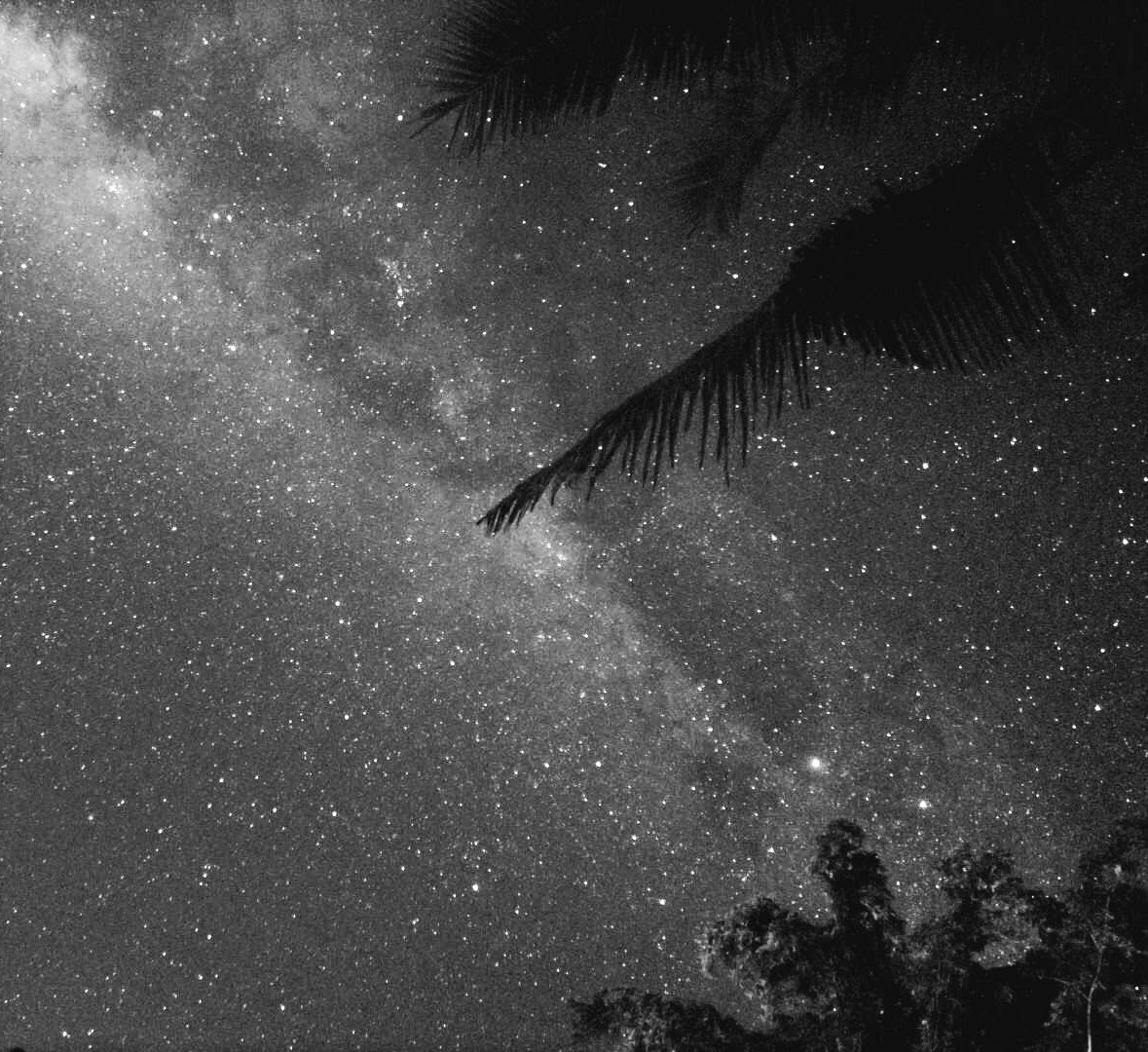
free fall night sky


free fall

lying on the lawn
gazing up
at the endless night sky
hanging on tight
to the damp grass
a strange illusion
in the mountains
where the sky is free
from city light

lying side by side
we both sense it
this overwhelming need
to hang onto the Earth

what would happen
if I let go
a free fall
into the eternal night
would the stars
catch me
would the moon
cradle me
would the blackness
comfort me
would I die
would I live
would I fly

that night
I hung onto the grass
beside you
I’ll never know
falling up
into the night sky
but I’ll never forget
that exquisite
strange feeling
of almost falling up
at your side


DL Taylor