Days of Normal Parts

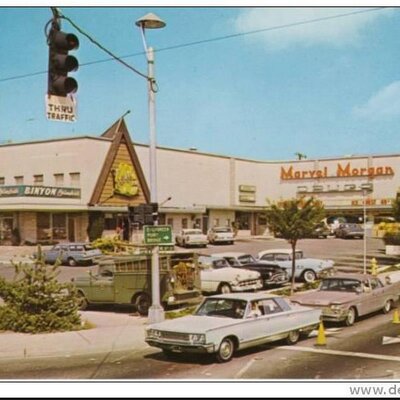
The days were full of normal parts. Eat, sleep, school, work. Activities we all shared. Each house sheltering a family going through it’s normal day. Mothers at home fixing dinner, fathers greeted at the door with a gin and tonic while they took off their overcoat, loosened their tie, and set their hat carefully on the shelf in the coat closet. Imagine Mad Men. This was our life. Our life of normal parts. So foreign and sexist to today’s ethos of family.

Some days were magical. The snow would fall in mounds and school would be cancelled. We’d run home, grab our mittens, and jump and dance and slide and build and throw and tumble for hours. Our mothers would call us in for cinnamon toast and hot chocolate. We’d warm our hands, fill our bellies, and head back out into the magic.

Some days were frightening. Watching television when special announcements came on the air. A president dead. My grandmother screaming as she put her hand to her mouth, dropping her cigarette onto the carpet. From my view on the floor with my toys, I could see the muddled video of a handsome couple waving from a convertible, and then everything blurry and confused. At the same time, I watched Grandma’s cigarette smolder, and hoped we weren’t going to burn up in a housefire. Innocence watching the news.

The days could continue to be frightening. This time a Civil Rights leader. My mother screaming as she stood to her feet from the couch and looked ready to run away. But there was nowhere to go. She screamed, “No! Oh, no! Not him! Not him, too!” I realized this somehow connected to the dead president, but I wasn’t sure how. I learned the word assassination that day.

We became young adults and wanted to escape this small town life. The conversations were always the same. The gossip. The keeping-up-with-the-neighbors. This town was so boring. There was nothing to do. We wanted excitement. We wanted lights and noise and movement.

We became older adults and wanted to return again. After we went out to see the excitement and the lights and the noise, we dreamed about those quieter times. The leisurely afternoons, Saturday morning cartoons. We longed for the world of our youth. The world of those days of normal parts.

Unknown Futures

I’ve been doing a lot of contemplating lately about the paths and journeys we take into unknown futures.  Here are today’s ruminations.  (first draft, very rough)


How do you live best? Being true to yourself is being present in the moment.

We’re all on a pilgrimage. Often overwhelmed by circumstances. Look back to where you came from. Look forward to the horizon. Look up. What is your relationship to the horizon? To the future? Who will benefit from the place where you are? Who needs to receive your song?

The transitions of our lives are like living with storms, weather, rain. We need to shape our lives to meet the demands of the weather. In the presence of something new, we don’t yet know how to be in conversation with the new circumstance. We have to get over ourselves. We have to get out of our own way.

Do the brave thing. Take the path to your future. Begin by not denying any part of yourself. Bring the frightened parts of you along the path. Look at the parts of your life you don’t want to look at. Finding these parts comes out of silence. Listening to our deepest interior voices. Are there wells you don’t want to drink from? Grief? Regrets? Mortality? It’s tempting to give ourselves easy, unsubstantial answers. Speaking to ourselves in trite clichés. Spend time in silence, listening for the wisdom to speak. Then speak out of silence. Tell the story. Make your story.

Don’t run from vulnerability. It’s going to become the foundation for where you’re going. Helplessness comes with great loss. We don’t appreciate what we have, until it—or they—are gone. Helplessness and loss are like medicine leaving a bad taste in your mouth. We turn away from these experiences, not realizing we need to go deeper in. The full depth of the experience of loss brings knowledge, wisdom, and a reshaping of our lives we would’ve never experienced without the loss. Don’t wait until their deathbed to reach out to loved ones with your true self. Do it now. Be present fully in the moment. Be your authentic self.

Be the person your future self will always remember with thanksgiving.

~Debi

34jkie

Technological Autobiography: My Life with Home Appliances


My Life with Home Appliances

by Deborah Taylor-Hough


“Technology serves as a Rorschach over a lifetime, a projective screen for our changing and emotionally charged commitments.”[1]  – Sherry Turkle, Inner History of Devices


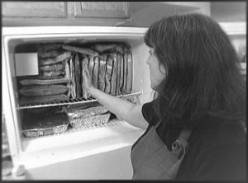
my freezerBack in the days before modern appliances, the work of keeping up a home was a full-time job.  From the need to replenish meats and vegetables on almost a daily basis due to a lack of safe food storage options, to washing clothing and diapers at the riverside, housekeeping was a never-ending chore.   I will examine the history of modern work-saving devices, looking at how the development of these items saves time and effort, focusing on stories from my own life and my family’s history and also discuss the role of appliances in the liberation of women from the solitary role of housewife. Continue reading

Essay: “Placed and Displaced in My Place”

The following is an exploratory essay written at the beginning of the “Themes in American Literature” course at the University of Washington Tacoma (Winter 2014).  We were examining the idea of our own personal sense of place in relationship to the articles we were reading near the beginning of the course.


“Placed and Displaced in My Place”

by Debi

In his essay, “The Sense of Place,” Wallace Stegner talks about the difference between placed people and displaced people in America.  He compares the placed person to Thoreau and his deep connection to Walden Pond and its surrounding environs in contrast to the displaced—or migratory—person who is “cousin not to Thoreau but to Daniel Boone, dreamer not of Walden Ponds but of far horizons.” This idea of placed versus displaced people resonated with me as I have been discovering my family’s immigrant roots as well as the multiple generations of my ancestors who have called the Puget Sound area home since traveling West on the Oregon Trail.  Seven generations of my family have lived their lives here in Western Washington with roots running deeply into the historical fishing and boat-building industries that have been key to the development of this region of the world.  I would say my family is currently made up of placed individuals who are directly descended from displaced pioneers.  My personal sense of place is tied to the town of my childhood, the social hierarchy of the community I lived in, and my adult desires of reconnecting to the places of my childhood. Continue reading